What are AI tools for accounting?
The term “AI tools for accounting” is used broadly across finance software. To evaluate these tools effectively, it helps to distinguish between three approaches to automation that are often grouped together. Most AI tools for accounting focus on automating individual tasks. A smaller set are beginning to prepare accounting work itself. This distinction is important when evaluating vendors.
Rule-based automation: These systems follow predefined logic (RPA, macros, workflow triggers). If condition A is met, then action B is executed. These tools work well for structured, repeatable tasks. However, they are brittle. When inputs change, such as a new contract structure, vendor format, or exception case, the system fails or requires manual updates.
AI-assisted tools use machine learning and language models to handle variability in financial data. Instead of fixed rules, they identify patterns across historical data, adapt to new inputs, and flag anomalies that fall outside expected ranges. These tools still rely on human review for exceptions and final decisions, but they reduce the volume of manual work.
Agentic AI tools go further. They can execute multi-step workflows, make conditional decisions, and take actions within defined guardrails. For example, instead of suggesting a reconciliation or journal entry, an AI agent can prepare the work end to end and route it for review. Enterprise adoption is still early, but this model is gaining traction as accounting teams look to significantly reduce manual preparation work.
How we selected the best AI tools for Accounting
Choosing the wrong accounting platform costs more than money. It costs months of implementation time and team trust. We evaluated 11 platforms across five accounting categories using a consistent set of criteria so buyers can make informed decisions based on their specific workflows, team size, and compliance requirements.
Comprehensiveness and AI capabilities: We focused on platforms that use AI to automate core accounting workflows like reconciliation, journal entries, variance analysis, and transaction matching, rather than tools that simply layer task management on top of manual processes. The deeper the automation, the higher we weighted the platform.
Ease of use: We prioritized tools that accounting teams can adopt without extensive technical training or prolonged onboarding. A powerful platform that requires months of configuration before delivering value is a liability, not an asset.
Integration and compatibility: We looked for software that integrates seamlessly with major ERPs like NetSuite, SAP, Oracle, QuickBooks, Xero and other core accounting systems. We gave priority to native integrations that support real-time data flows over batch imports and manual file transfers.
Flexibility and scalability: We focused on cloud-based platforms that can scale with growing teams, increasing transaction volumes, and evolving accounting requirements, particularly for multi-entity environments where complexity compounds quickly.
G2 and Capterra reviews: We consulted third-party review platforms to validate vendor claims and understand real user experiences with implementation, support quality, and day-to-day usability. Ratings and qualitative feedback both informed our assessments.
Audit and compliance controls: We gave priority to platforms that embed audit trails, approval workflows, and segregation of duties directly into accounting workflows—not tools that require manual evidence collection after the fact. For SOX-regulated organizations, this distinction is critical.
Where today's AI accounting tools fit
AI accounting software spans multiple functional areas across the finance organization. Each category addresses a different part of the accounting workflow. The tools in this guide span different points across the automation spectrum. Most platforms combine rule-based automation with AI assistance, while a smaller set are beginning to support agent-led workflows.
Close management tools handle reconciliation, variance analysis, and close task orchestration. AI-enabled close platforms match transactions automatically, flag anomalies against prior-period baselines, and surface open items that require attention. This reduces the manual effort required to manage large volumes of reconciliations across a distributed team.
Billing and invoicing tools manage revenue recognition and invoice generation across complex pricing models. AI-enabled billing platforms can interpret contract terms, apply usage-based rating logic, handle edge cases in billing schedules, and automate collections workflows that would otherwise require manual tracking.
Spend management tools control and analyze company expenditures. AI-enabled platforms apply policy rules in real time at the point of transaction, detect anomalies across large expense datasets, and extract structured data from receipts and vendor invoices, reducing both errors and policy violations.
Accounting compliance and review tools support lease accounting, revenue recognition, and audit readiness. AI-enabled platforms extract relevant clauses from contracts, map them to accounting standards such as ASC 606, ASC 842, and SOX requirements (see SOX overview), and maintain audit-ready documentation, replacing what was often a manual and error-prone review process.
FP&A tools support financial planning, modeling, and reporting. AI-enabled FP&A platforms build driver-based models, generate scenario variations, and allow finance teams to query data using natural language, shifting time away from spreadsheet maintenance and toward analysis and decision-making.
Key features to evaluate in AI accounting software
Not all AI tools for accounting are built the same. When evaluating options, focus on these capabilities:
Automation depth is one of the most important factors. Some tools follow fixed rules, others assist with recommendations, and a smaller number prepare work autonomously for human review. The more complex your accounting environment, the more value you will get from deeper automation.
ERP integration quality determines how useful the tool will be in practice. Look for native integrations that support direct posting and transaction-level linking, not just flat-file imports. It is important to understand whether the tool reads from your ERP, writes back to it, or both, and whether the connection is real-time or batch-based.
Audit trail and data lineage are critical for finance teams and auditors. Every number should be traceable back to its source. The best tools preserve transaction-level lineage from source systems through to the general ledger, making it easier to validate outputs and support audits.
Compliance readiness is essential for SOX-regulated organizations. Evaluate how each tool handles controls, segregation of duties, and audit evidence generation. The strongest platforms embed these controls directly into workflows rather than requiring evidence to be assembled after the fact.
Time to value varies widely across vendors. Implementation timelines can range from a few weeks for modern platforms to several months for legacy enterprise tools. It is important to consider total deployment cost, including implementation effort and ongoing maintenance, not just software pricing.
Summary comparison table
Solution | Category | G2 rating | Pricing | Best for |
|---|---|---|---|---|
Maxima | Record to Report | 4.8/5 | Custom | High-growth verticals with complex accounting needs and close process |
BlackLine | Close Management | 4.5/5 | ~$35K-$200K+/yr | Large enterprises with global multi-entity consolidation |
FloQast | Close Management | 4.6/5 | Custom (~$12K+/yr) | SMB and Mid-market teams needing close coordination |
Tabs | Billing & Invoicing | 4.8/5 | $2,000/mo+ | B2B SaaS with high invoice volume, and complex billing |
Zuora | Billing & Invoicing | 3.9/5 | Quote-based | Enterprise subscription businesses at scale |
Brex | Spend Management | 4.8/5 | Free/Custom | VC-backed startups and growing companies |
Ramp | Spend Management | 4.8/5 | Free/Plus/Enterprise | SMB to enterprise companies focused on cost control |
Trullion | Compliance & Review | 4.7 | Custom | Lease accounting and revenue recognition compliance |
Klarity | Compliance & Review | 3.9 | Custom | High-volume revenue accounting contract review (ASC 606/SOX) |
Pigment | FP&A | 4.6 | Custom | Enterprise cross-functional planning with AI agents |
Abacum | FP&A | 4.8 | Custom | Mid-market SaaS finance teams |
Best AI close management platforms
Close management is one of the most common entry points for AI in accounting. These tools focus on reconciliations, journal entries, and close workflows, with varying levels of automation.
Maxima
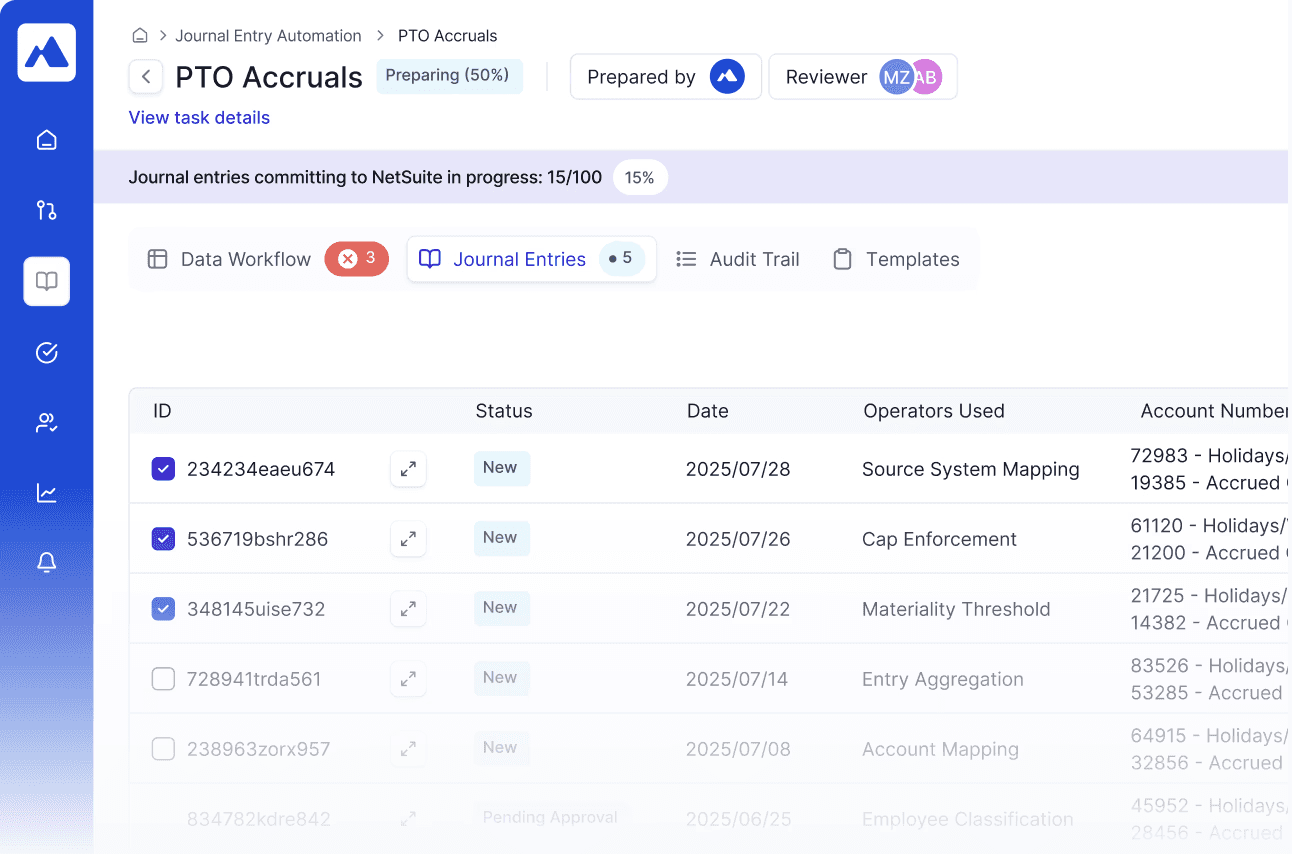
Maxima is an AI-native platform for enterprise accounting that prepares accounting work across the record-to-report cycle, including journal entries, reconciliations, and flux analysis. It is designed for teams that need to deliver a faster, more accurate, and audit-ready close without replacing their ERP.
Unlike traditional close tools that focus on coordinating work, Maxima focuses on preparing it. AI agents operate across systems to collect source data, apply accounting logic, and produce outputs that are ready for review and approval.
Maxima is best suited for companies with high transaction volumes, complex accounting workflows, and multi-entity environments where manual preparation work becomes a bottleneck.
The Neuron described Maxima’s work as “reconciling data, preparing journal entries, and flagging anomalies” - a useful shorthand for the difference between accounting execution and general-purpose AI assistance.
Key Features
Journal entry automation across payroll, accruals, commissions, stock-based compensation, and subledger postings, with full audit trails and traceability back to source data.
Continuous transaction matching across banks, payment processors, and subledgers, using many-to-many logic and exception handling. Matching runs continuously throughout the month, not just at close.
Flux analysis that computes variance drivers and generates draft explanations with direct links to supporting transactions, reducing manual investigation and commentary.
A structured data layer that preserves transaction-level lineage from source systems through to the general ledger, allowing every number to be traced back to its origin.
Built-in audit and control framework with continuous monitoring, anomaly detection, and audit-ready outputs generated as part of the workflow.
Native integrations with ERPs, banks, payment processors, payroll systems, procurement tools, and data platforms, enabling direct data access without manual file movement.
Strengths
Unlike traditional close tools that track human-prepared work, Maxima prepares accounting work end to end.
Each output includes source inputs, applied logic, and full transaction-level lineage across entities, periods, and systems.
Agents operate across journals, reconciliations, and flux workflows while maintaining context, controls, and auditability.
Limitations
Designed for complex accounting environments and may be less suitable for simpler close processes.
Review-first workflows can require process changes for teams that rely heavily on spreadsheets.
Some organizations may continue to use separate tools for planning and consolidation.
Book a demo to see how Maxima prepares accounting work before the month-end close even begins.
2. BlackLine
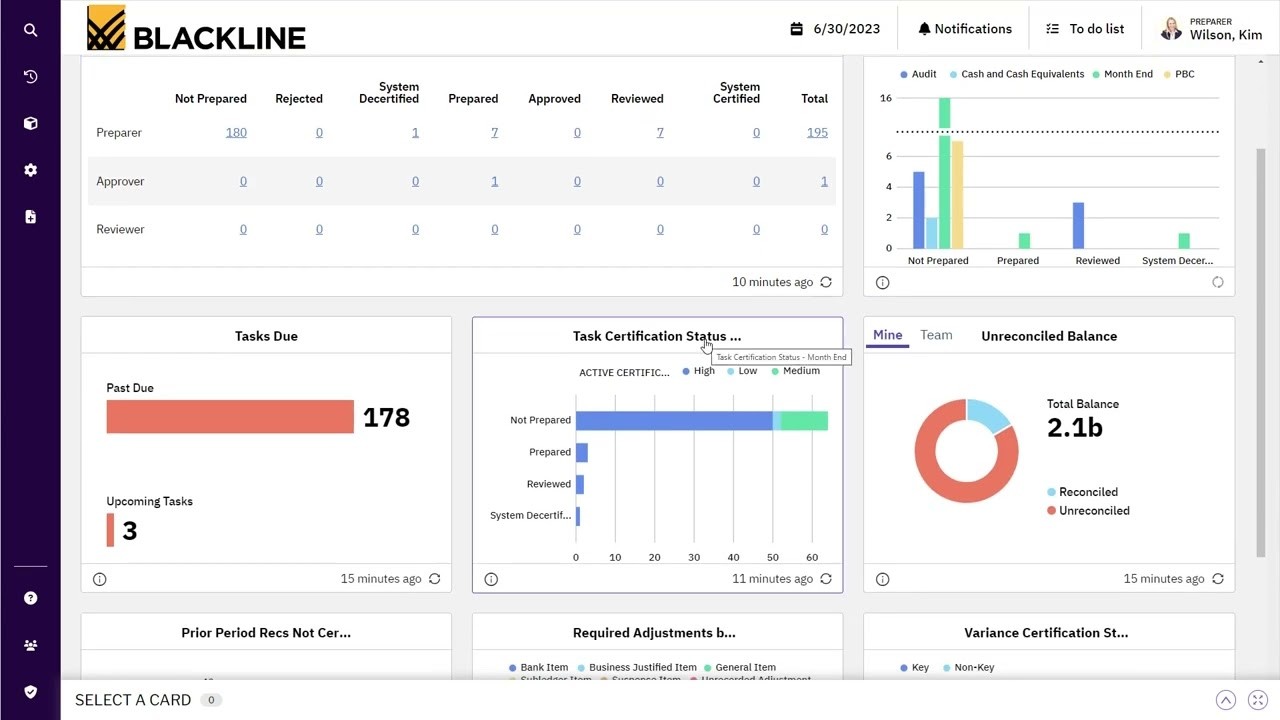
BlackLine is an established financial close management platform designed for large enterprises with complex, multi-entity global operations.
Key Features:
Account reconciliation with configurable matching rules and high-volume transaction matching at scale.
Financial close management with task tracking, workflow orchestration, and real-time dashboards.
Intercompany accounting for transaction matching and reconciliation across subsidiaries.
Journal entry workflows with centralized creation, approval, and posting.
Compliance and controls with built-in audit trails and SOX workflows.
Strengths:
Scales well for organizations with 100+ entities and multi-currency operations.
Strong audit trails and compliance capabilities for regulated environments.
Limitations:
Implementation can take 3–6 months with a steep learning curve.
High total cost of ownership, often ranging from $250K to $400K+ annually for mid-market deployments.
Primarily rule-based automation with more limited AI-native capabilities.
3. FloQast
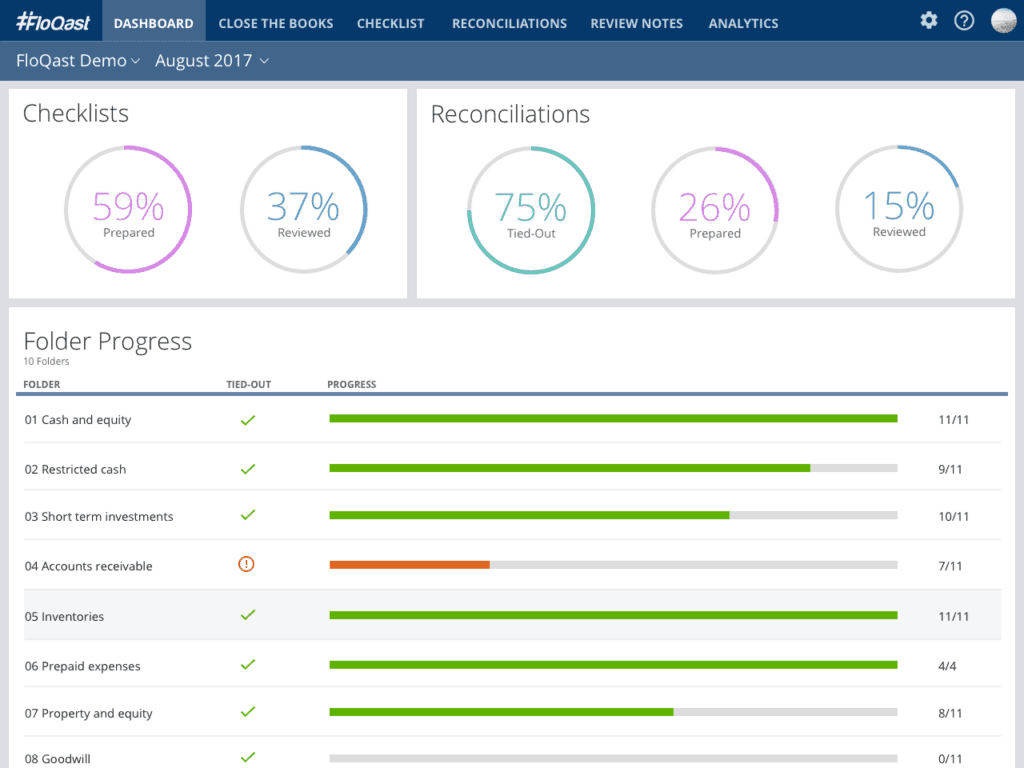
FloQast is a close management platform built for accounting teams that want to centralize the month-end close, reduce spreadsheet sprawl, and maintain SOX compliance.
Key Features:
Auto-reconciliation that matches a high percentage of transactions using AI.
AI detections that monitor general ledger activity and flag potential errors ahead of the close.
SOX 404a and 404b compliance with automated evidence collection and attribute testing.
Integrations with NetSuite, QuickBooks, Sage Intacct, SAP, Workday, Dynamics, and Coupa.
Strengths:
Intuitive interface designed for accountants.
Centralized close checklist with real-time visibility across the team.
Limitations:
Many workflows remain coordination-focused, with preparation still happening in spreadsheets.
Efficiency gains can plateau after checklist implementation.
Limited transaction-level flux analysis directly from the ERP.
Limited support for intercompany reconciliations.
See how FloQast compares to Maxima.
Best AI billing & invoicing platforms
4. Tabs
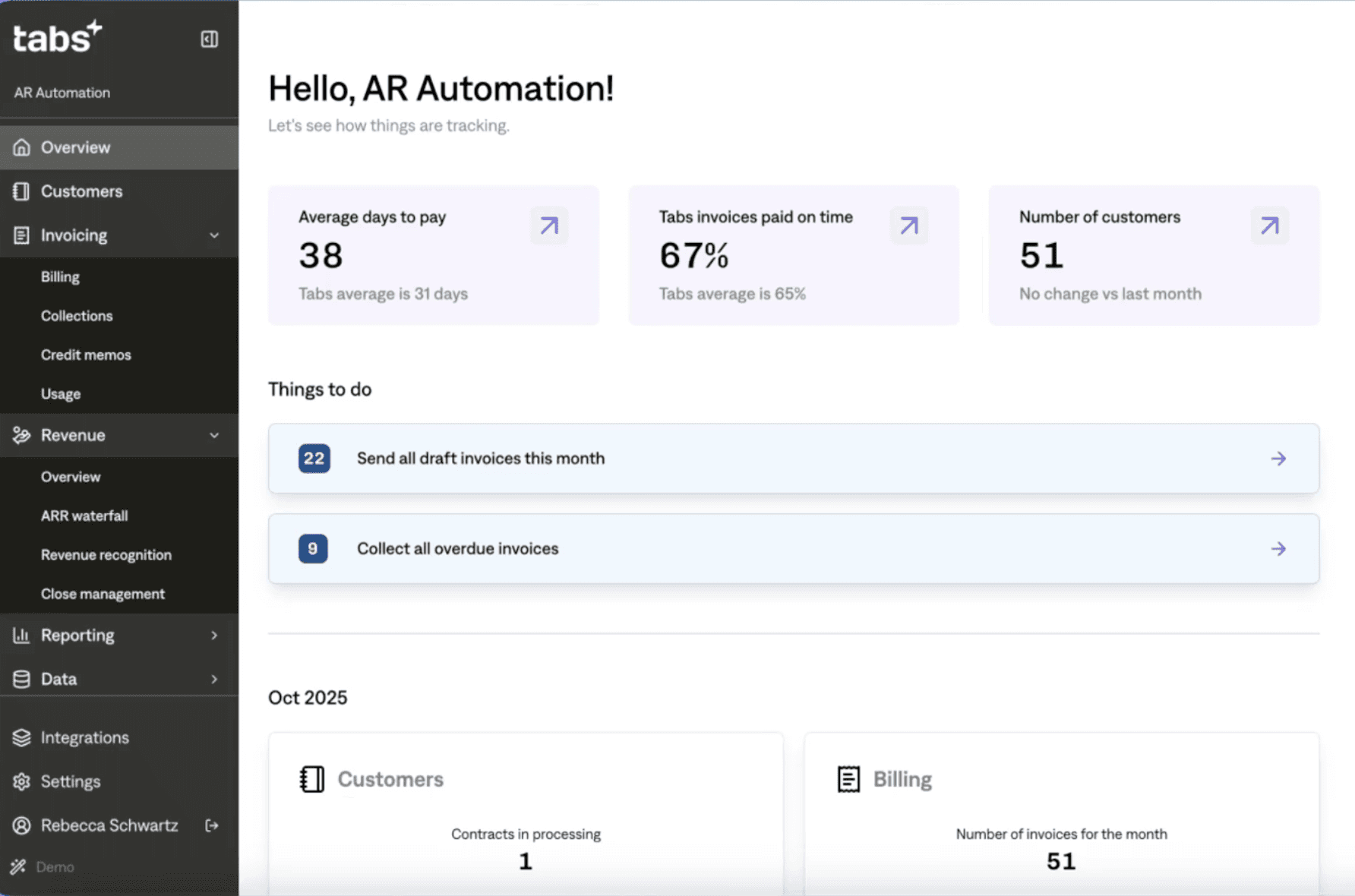
Tabs is a revenue automation platform for B2B finance teams that manages contract-to-cash workflows, including billing, collections, and ASC 606 revenue recognition.
Key Features:
AI contract ingestion that extracts billing schedules, fees, and renewal terms from executed agreements.
Billing agent that supports subscription, usage-based, and hybrid pricing models with ERP synchronization.
Collections workflows with automated payment tracking, follow-ups, and reconciliation.
Automated ASC 606 revenue recognition based on contract and billing data.
Integrations with QuickBooks, Oracle, Sage Intacct, Rillet, and CRM systems.
Strengths:
AI contract ingestion works across a wide range of document formats.
Customers report automating a large share of manual billing work.
Strong NetSuite integration and responsive support.
Limitations:
Relatively new platform, with some features still maturing.
Tax handling capabilities may require improvement.
Pricing for higher tiers is not publicly disclosed.
5. Zuora
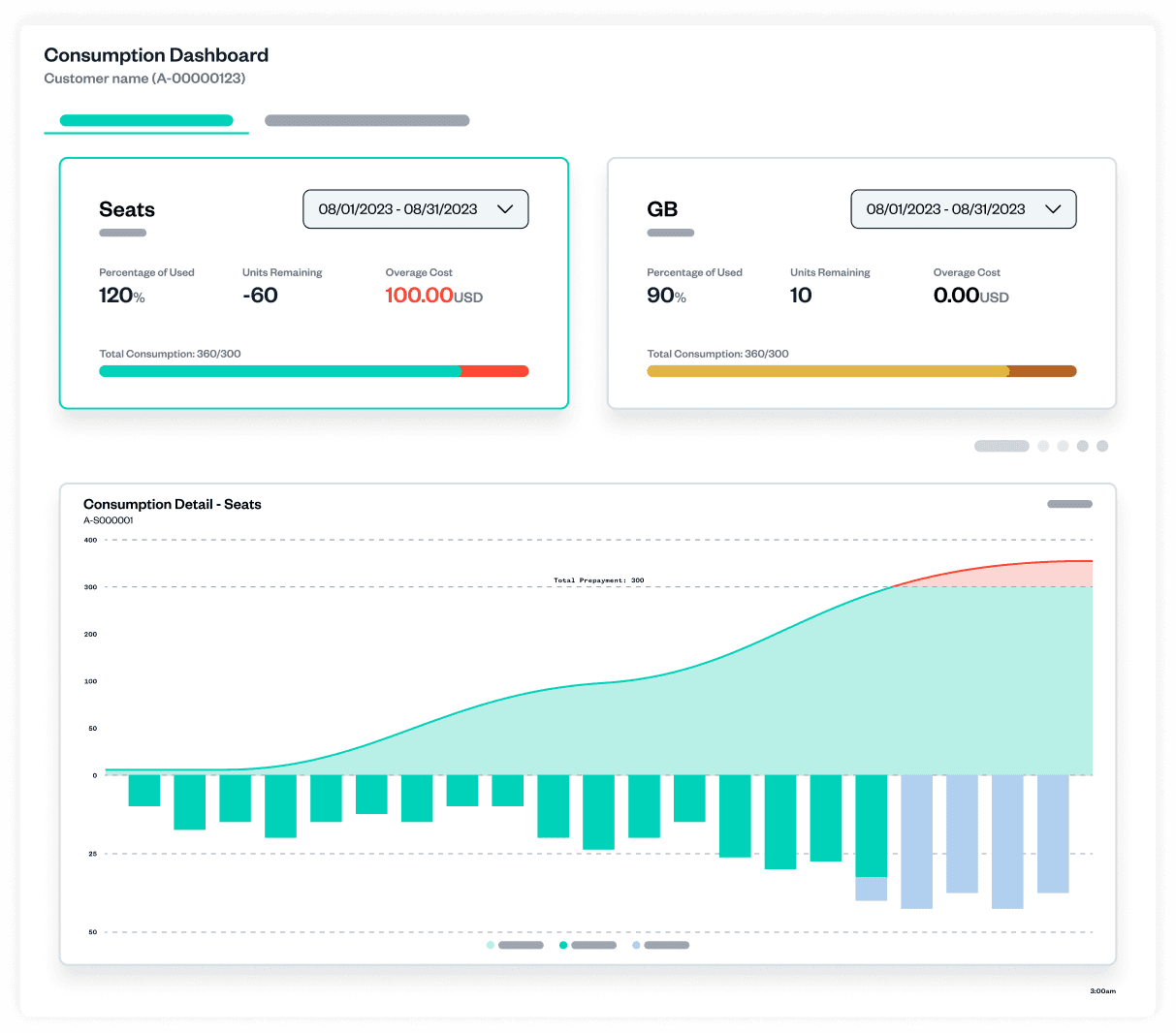
Zuora is an enterprise subscription billing and revenue platform designed for companies managing recurring revenue at scale.
Key Features:
Zuora Copilot (AI) for data access, dashboards, and billing workflow assistance.
Usage-based billing with rating engines, invoicing, and tax compliance.
AI-powered consumption insights for churn and growth forecasting.
Multi-entity and multi-currency support with enterprise-grade service levels.
Native Salesforce CPQ integration on higher tiers.
Strengths:
Flexible pricing and billing configuration for complex subscription models.
Strong integration with Salesforce.
Scales to large customer volumes.
Limitations:
Steep learning curve and complex setup.
Implementation timelines can extend beyond one year.
Some users report integration challenges and slower support response times.
Best AI spend management platforms
6. Brex
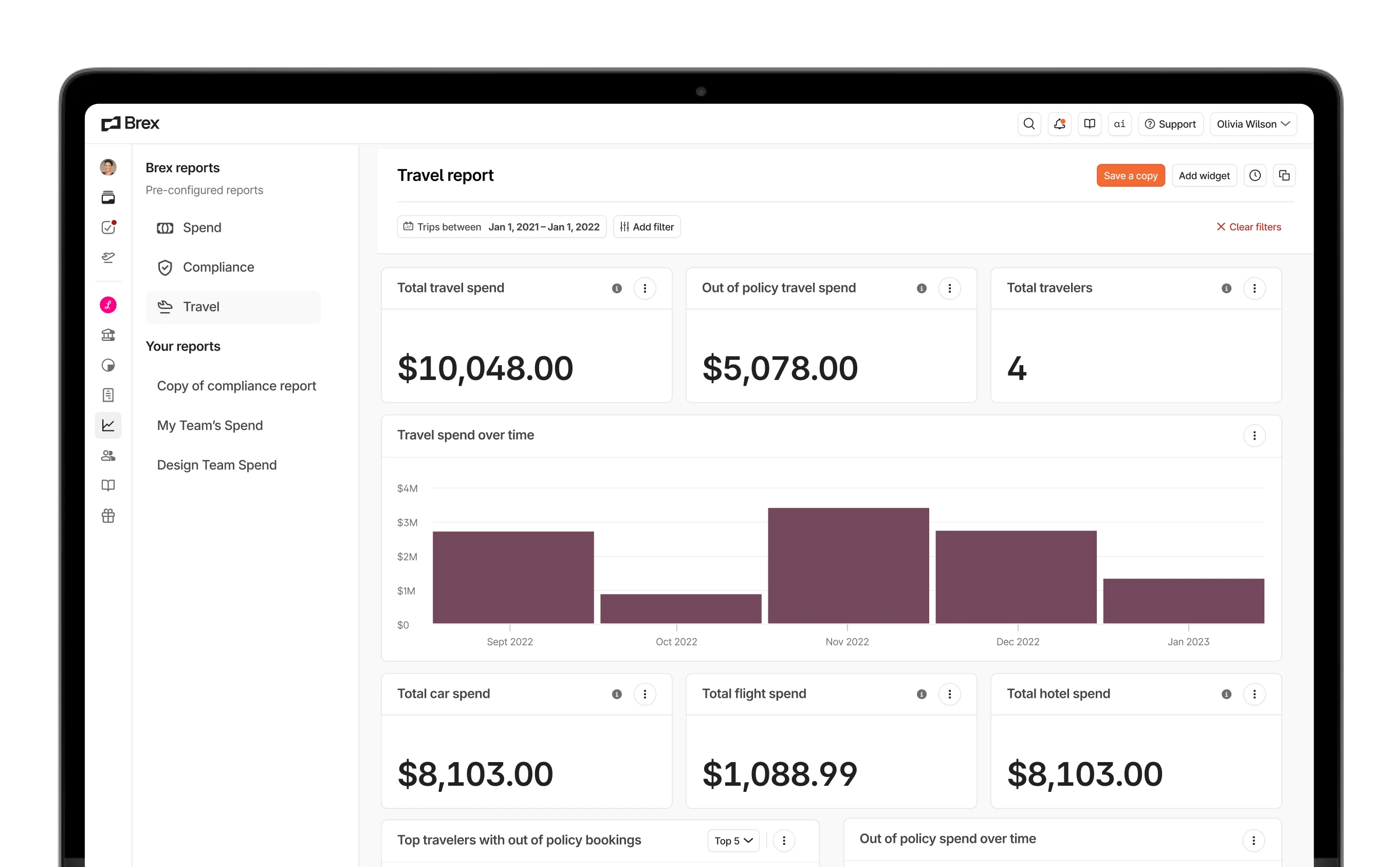
Brex is a modern finance platform offering corporate cards, expense management, travel, and bill pay.
Key Features:
Global corporate cards with issuance in over 50 countries and no personal guarantee.
AI-powered expense rules for automated categorization and policy enforcement.
Compliance workflows with dynamic approval chains.
Integrated travel booking with policy enforcement.
ERP integrations with NetSuite, QuickBooks, Xero, and Sage Intacct.
Strengths:
High credit limits compared to traditional cards.
Real-time visibility into spend with automated categorization.
Limitations:
Credit-only model with USD-based funds.
Reports of account restrictions and operational friction.
Limited customization for categories and workflows.
7. Ramp
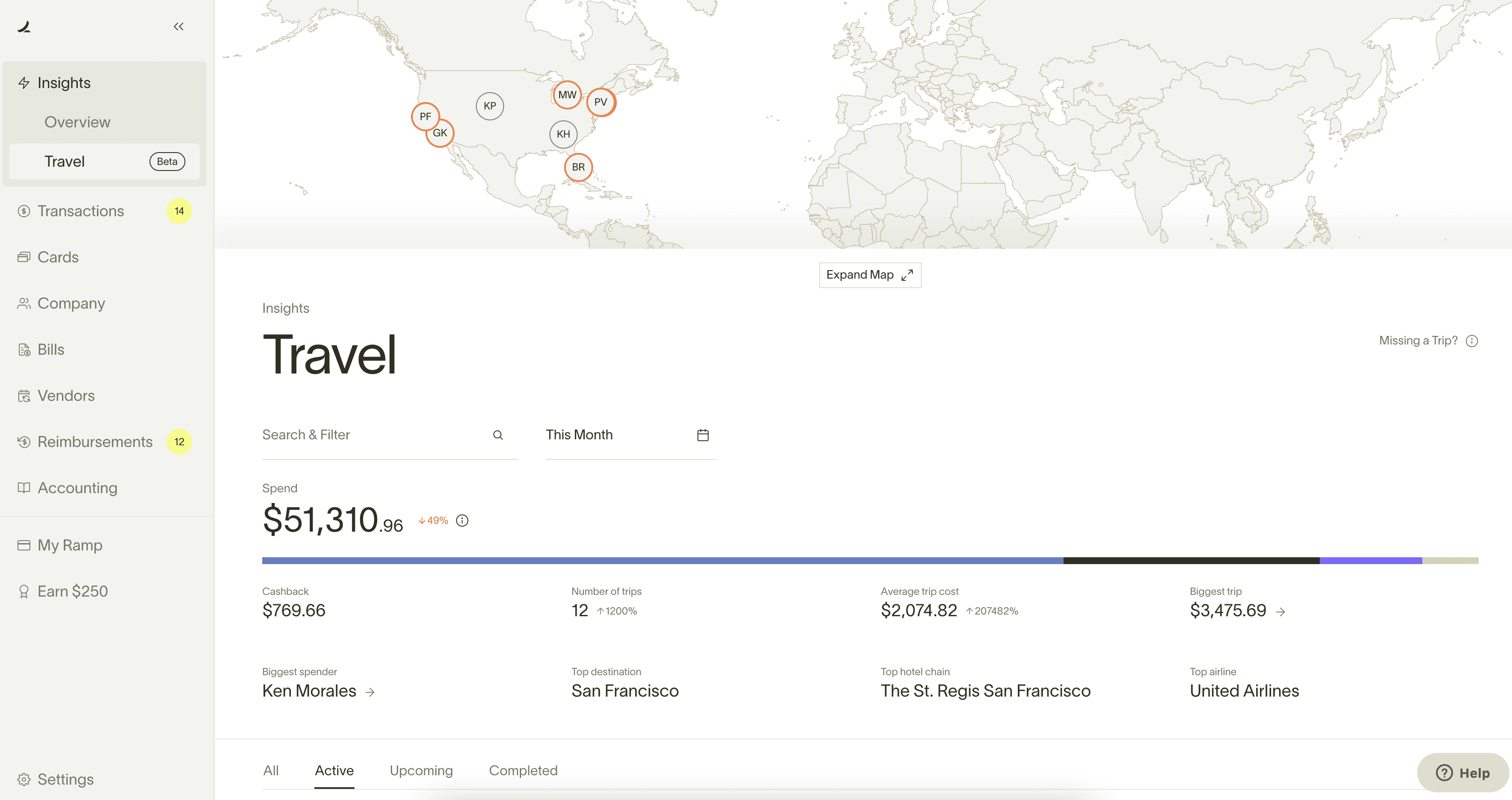
Ramp is an AI-powered finance automation platform combining corporate cards, expense management, accounts payable, procurement, and savings insights.
Key Features:
AI-powered expense coding across accounting fields.
Receipt matching via mobile, SMS, Slack, or Teams.
Savings insights that identify duplicate spend and vendor inefficiencies.
AP automation with invoice coding, anomaly detection, and approval workflows.
ERP integrations with QuickBooks, NetSuite, Sage Intacct, Workday, and Oracle.
Strengths:
Highly user-friendly platform with strong adoption.
Automates a large portion of expense processing.
Free tier with cashback incentives.
Limitations:
Customer support can be difficult to access.
Limited mobile functionality.
Best accounting compliance platforms
8. Trullion
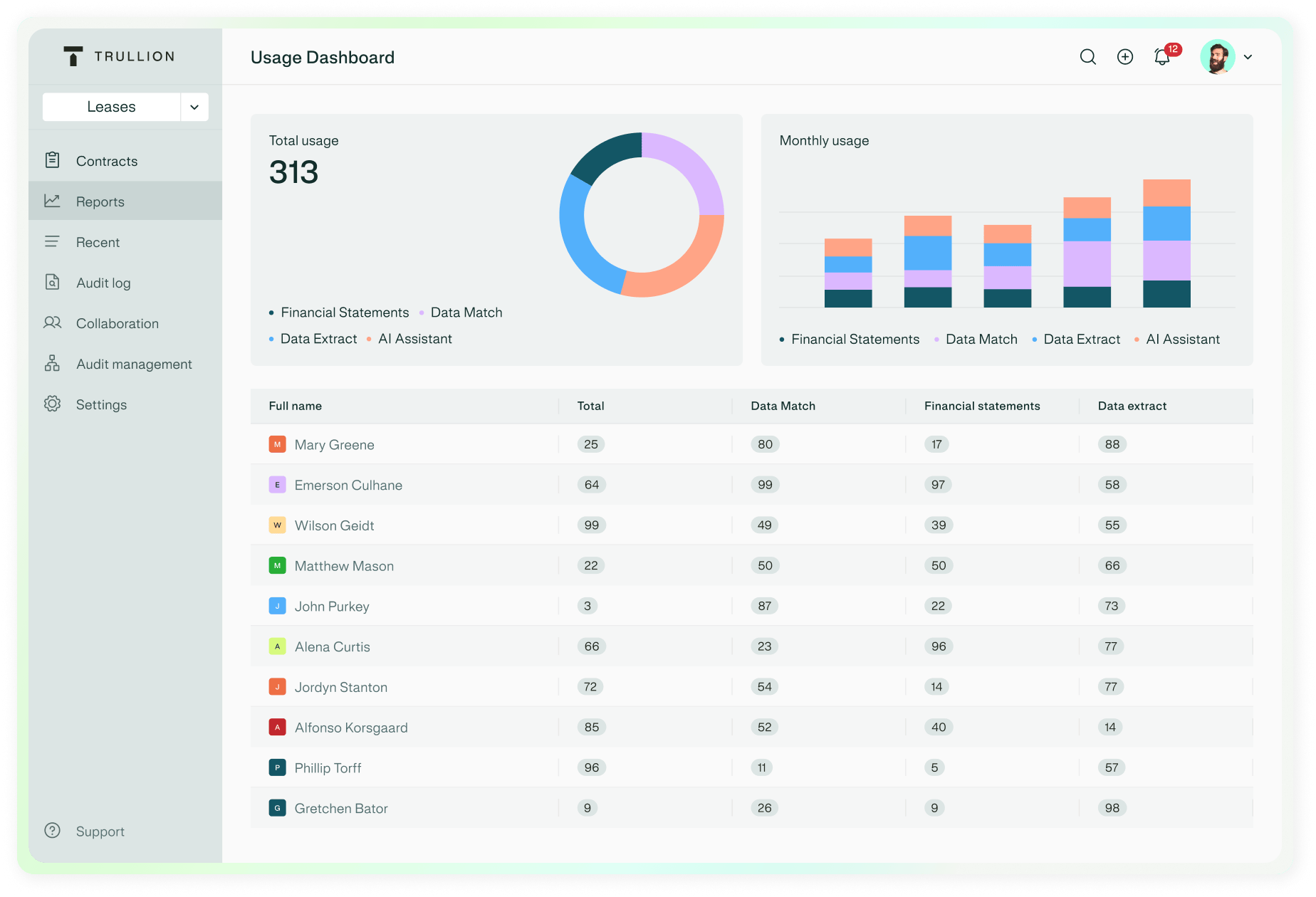
Trullion is an AI-powered accounting platform for lease accounting, revenue recognition, and audit preparation, with a focus on auditability and traceable outputs.
Key Features:
Agentic assistant that surfaces insights and simplifies compliance workflows.
AI data extraction from documents and spreadsheets with automated lease analysis and journal creation.
Support for ASC 842, IFRS 16, and GASB 87 lease accounting.
Revenue recognition workflows aligned with ASC 606 and IFRS 15 (see overview here).
Validation tools with full audit trail.
Strengths:
Intuitive interface and fast onboarding.
Rapid document processing and analysis.
Limitations:
AI struggles with foreign-language contract extraction
Performance can slow at very high volumes.
Reporting functionality is still evolving.
9. Klarity.ai
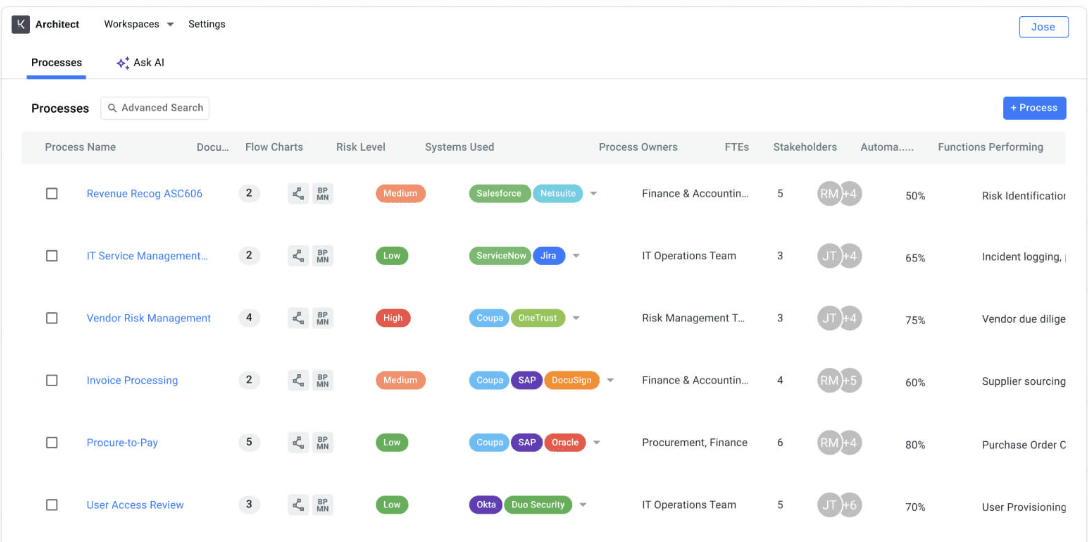
Klarity is an AI-powered document review platform built for revenue accountants analyzing customer contracts.
Key Features:
AI contract review that highlights revenue-impacting clauses.
Automated extraction of key metadata, dates, and contract terms.
Improved clause detection with multimodal parsing.
Risk prioritization based on materiality thresholds.
Enterprise-grade security and compliance.
Strengths:
Higher accuracy compared to manual review in many use cases.
Reduces time spent on contract analysis.
Supports structured and repeatable workflows.
Limitations:
Setup can be complex for non-standard contracts.
Focused primarily on revenue accounting workflows.
Limited flexibility for broader use cases.
Best AI FP&A platforms
10. Pigment
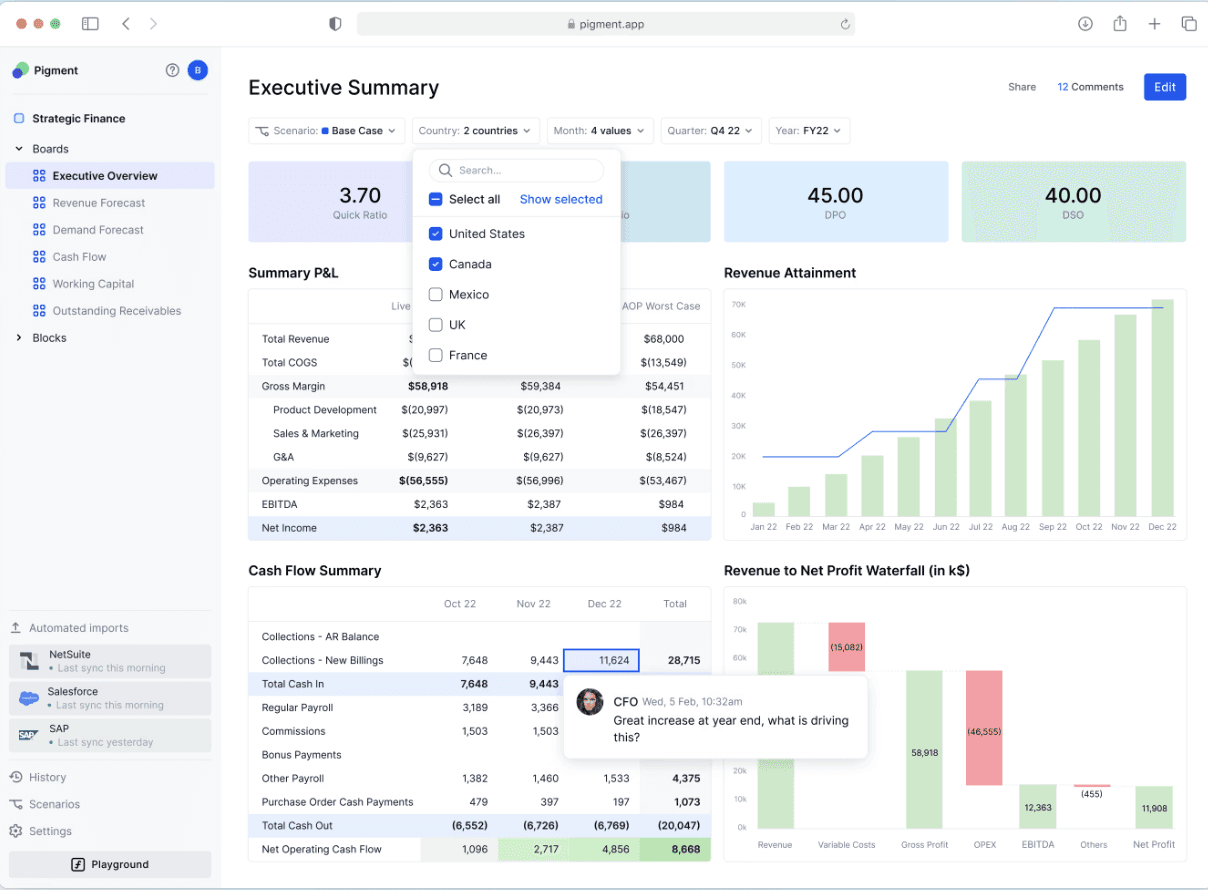
Pigment is an enterprise planning platform with AI capabilities across finance and operational planning.
Key Features:
AI agents for variance analysis, anomaly detection, and reporting.
Model creation and updates from natural language inputs.
Forecasting models across revenue, expenses, and headcount.
Cross-functional planning across finance, sales, HR, and operations.
Strengths:
Strong balance of power and usability.
High customer satisfaction and support ratings.
Limitations:
Steeper learning curve due to platform breadth.
Limited spreadsheet integration.
Complex access control configuration.
11. Abacum
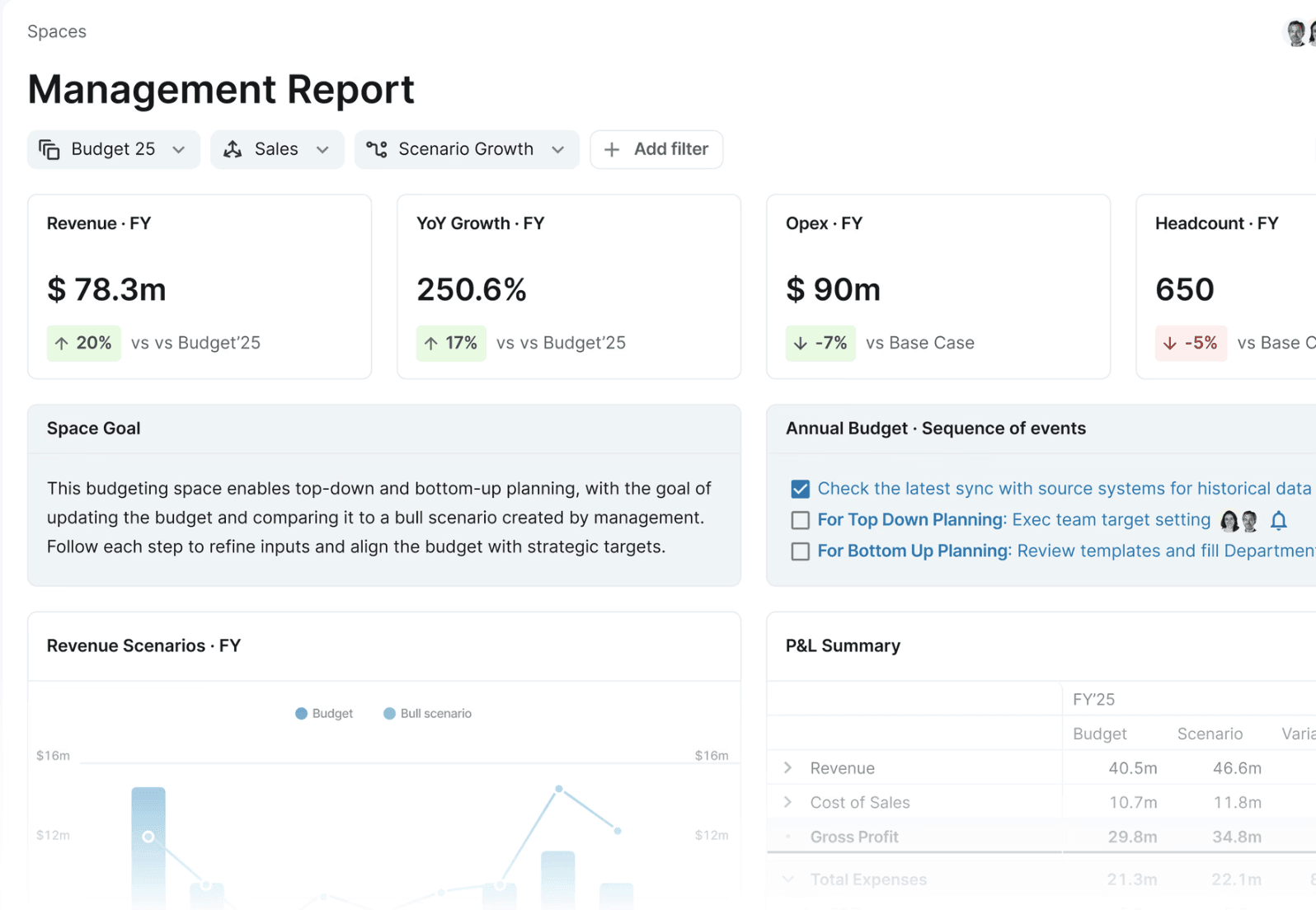
Abacum is an AI-native FP&A platform for mid-market, high-growth companies, primarily SaaS and tech at Series C-E stage.
Key Features:
Multi-agent planning and forecasting workflows.
Broad data integrations across ERP, CRM, and operational systems.
Three-statement modeling with multi-entity support.
SaaS metrics tracking, including ARR, MRR, and churn.
Automated reporting and board-ready outputs.
Strengths:
Strong usability and onboarding experience.
Fast implementation for mid-market teams.
Improves planning and reporting efficiency.
Limitations:
Limited integrations with some enterprise ERP systems.
Learning curve for advanced reporting configurations.
Less suited for manufacturing or supply-chain-heavy businesses.
How to choose the right AI accounting tool
With many AI tools for accounting on the market, the right choice depends on where your team spends the most time and where errors are most costly.
Start with your bottleneck. If your team spends 15 to 30 days on the monthly close, close management platforms such as Maxima, BlackLine, or FloQast will have the highest impact. If billing errors or revenue recognition delays are the primary issue, billing platforms such as Tabs or Zuora are more relevant. If policy violations and expense rework are the main challenge, spend management tools such as Brex or Ramp will deliver faster value.
Match the tool to your ERP environment. Integration quality directly impacts usability. A platform that writes directly to your ERP with transaction-level lineage is fundamentally different from one that relies on flat-file imports. It is important to understand how data flows between systems and whether the integration supports real-time workflows.
Evaluate total cost of deployment, not just software pricing. A lower-cost tool that requires a long and complex implementation can have a worse return on investment than a higher-cost platform that delivers value quickly.
For SOX-regulated organizations, prioritize tools that embed controls directly into workflows and generate audit evidence automatically. This reduces manual effort and improves audit readiness.
Frequently asked questions
What is the difference between AI-assisted and agentic AI accounting tools?
Most AI tools in accounting still play an assistive role. They help surface anomalies, suggest matches, or draft explanations, but a human is still responsible for doing the work. Agentic AI changes that model. Instead of assisting, it prepares the work. Journal entries, reconciliations, and variance explanations are generated end to end, with humans reviewing and approving. The distinction is simple but important: does the AI help you do the work, or does it do the work for you under defined controls?
How much do AI accounting tools cost?
Pricing varies widely depending on category and complexity. Spend management tools often offer free or low-cost entry points, while close management and compliance platforms are typically priced based on transaction volume, number of entities, and workflow scope. The more important question is not just cost, but time to value. A lower-priced tool that takes six months to implement can be more expensive than a higher-priced platform that delivers value in weeks.
Can AI tools replace accountants?
No, but they will change how accounting teams operate. Much of the work in accounting today is preparation: collecting data, matching transactions, drafting entries, and building reconciliations. That is where AI has the most immediate impact. As that work shifts to AI, accountants spend less time preparing and more time reviewing, investigating exceptions, and making decisions. The model is not replacement. It is reallocation. AI handles volume, while humans handle judgment.
What are the best AI tools for the monthly close?
Maxima, BlackLine, and FloQast represent three different approaches to the monthly close. Maxima uses AI agents to prepare accounting work continuously so that much of the close is completed before month-end. BlackLine focuses on enterprise-scale reconciliation and close orchestration with strong controls. FloQast centralizes close coordination and task management for mid-market teams. The right choice depends on team size, complexity, and how much of the work you want automated.
How do AI tools improve SOX compliance?
Most SOX compliance challenges come from how work is performed, not just how it is documented. Traditional processes often rely on manual preparation followed by after-the-fact evidence collection, which creates gaps, inconsistencies, and audit risk. AI-based systems improve this by embedding controls directly into workflows. Approvals, segregation of duties, and validation checks happen as the work is performed, not after. At the same time, every action generates a traceable audit trail automatically. This reduces the need for manual evidence gathering and makes it easier for auditors to validate results.

Move closer to an audit-ready, continuous close

Request demo
Insights, news and content
The latest
See all